
From Function Calling to Managed Agents
How AI APIs Are Quietly Powering the Next Agentic Shift
Over the past two years, the conversation around AI has gradually shifted.
From models → to tools → to agents.
But if we look closely, what’s changing underneath is not just model capability — it’s how APIs are structured, exposed, and composed.
This raises a more practical question:
Are we really entering an “agentic era”?
Or are we simply seeing a new layer of API abstraction?
This article explores that transition — from early function calling to emerging managed agents — and what it might mean for teams building with AI today.
1. Function Calling: The First Step Toward Structured Intelligence
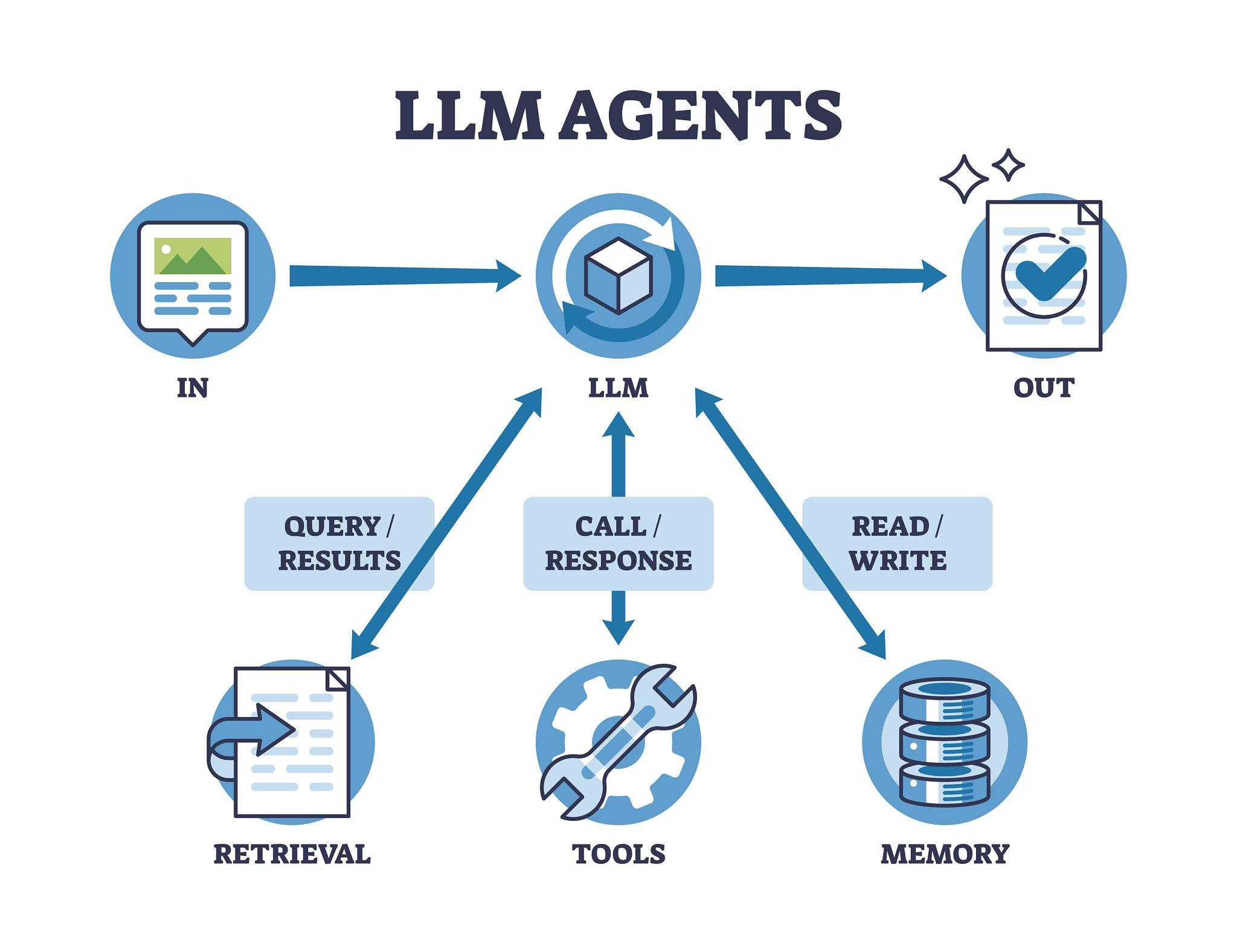
Function calling was one of the earliest signals that LLMs were moving beyond text generation.
Instead of just producing language, models could:
- Select a tool
- Generate structured arguments (JSON)
- Trigger external execution
This changed how developers interacted with AI:
- Less prompt hacking
- More schema design
- More deterministic workflows
In practice, function calling introduced a simple but powerful idea:
The model is no longer the endpoint — it becomes a coordinator.
However, most implementations still required:
- Manual orchestration
- State management
- Retry logic
- Tool routing
Which leads to the next layer.
2. The Rise of Agent Frameworks (But Not Quite Agents Yet)
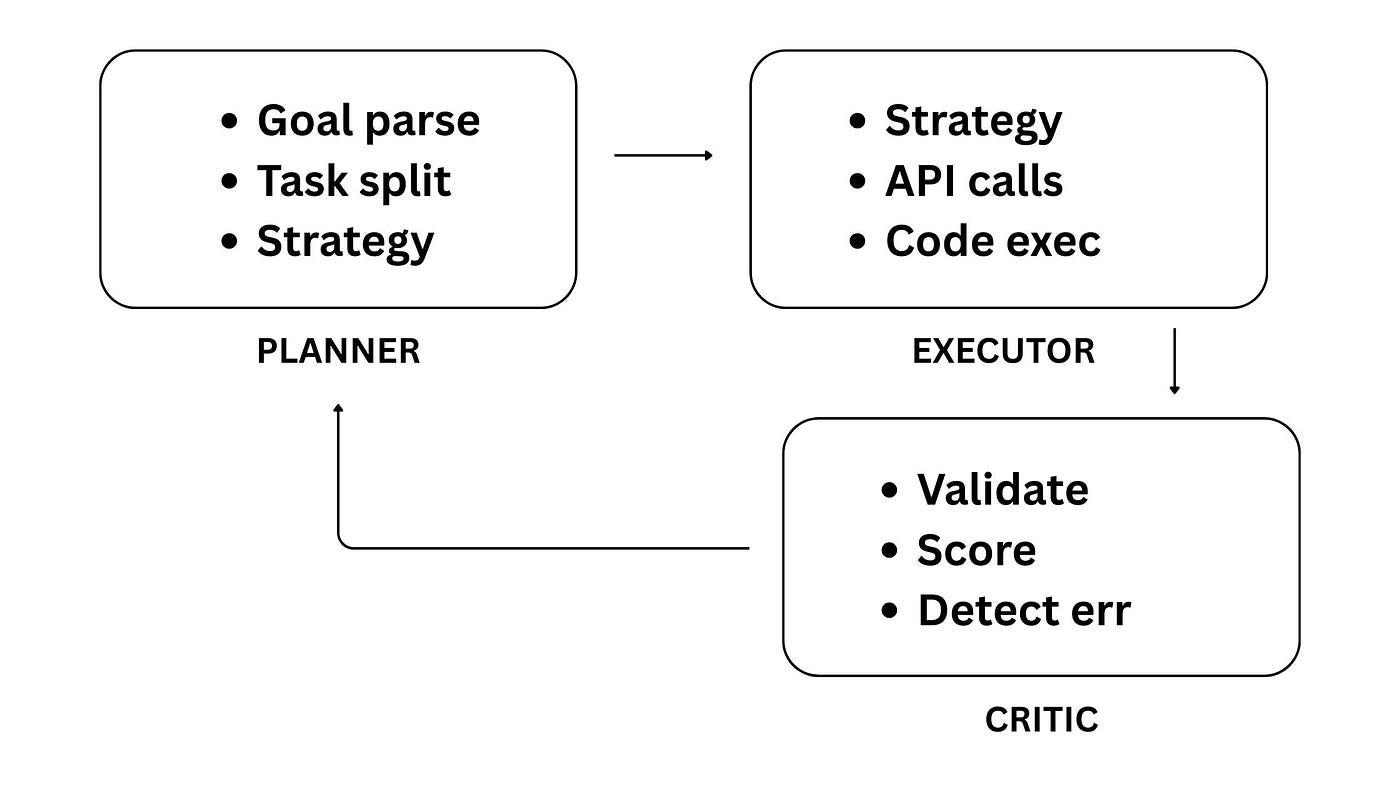
Frameworks like LangChain, Auto-GPT, and BabyAGI attempted to operationalize this idea.
They introduced patterns like:
- Planning → Acting → Observing loops
- Tool chaining
- Memory modules
- Task decomposition
For the first time, “agent” became something developers could experiment with.
But in production, reality looked different:
- High latency
- Unstable outputs
- Hard-to-debug chains
- Cost unpredictability
As a result, many teams didn’t fully adopt “autonomous agents.”
Instead, they used:
Controlled workflows with limited autonomy
Which suggests that the real shift wasn’t autonomy — but abstraction.
3. Managed Agents: A New API Layer Emerging
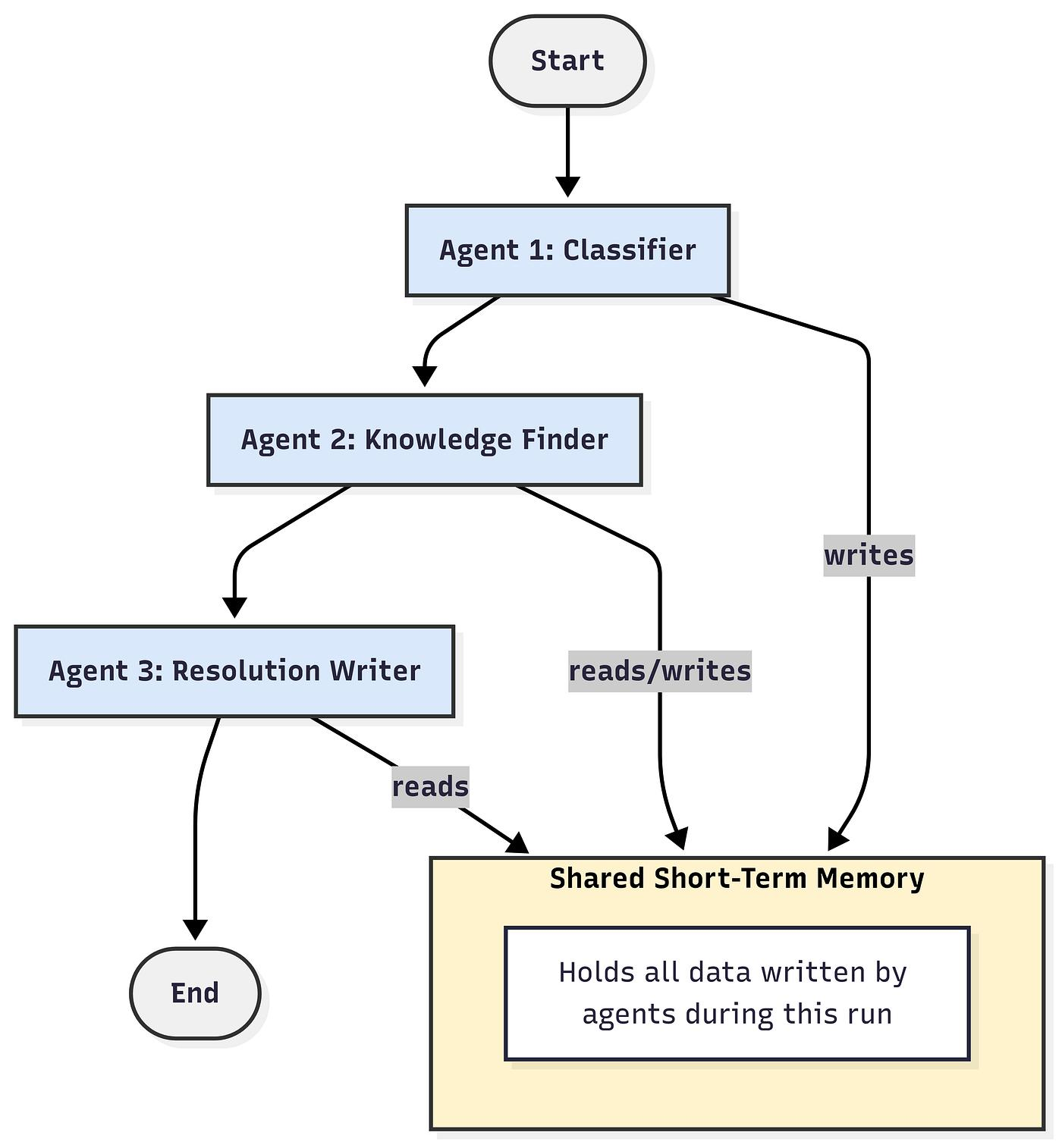
More recently, we’ve started to see a different pattern:
Instead of giving developers primitives, platforms are offering managed agents.
Examples include:
- OpenAI Assistants API
- Anthropic Messages API tools
- Google Vertex AI Agents
These APIs begin to bundle:
- Tool execution
- Memory
- Retrieval
- State tracking
- Multi-step reasoning
From a developer perspective, this changes the interface:
| Before | Now |
|---|---|
| Define prompts | Define capabilities |
| Handle loops manually | Delegate orchestration |
| Manage state externally | Use built-in state |
| Stitch tools together | Register tools |
But this abstraction introduces a subtle shift:
Control moves from developer-defined logic → to platform-defined behavior.
4. What Actually Changed (And What Didn’t)
Despite the narrative of an “agent revolution,” some fundamentals remain the same:
What changed:
- APIs are more composable
- Tool use is standardized
- Orchestration is increasingly abstracted
- Developers write less glue code
What didn’t:
- Models are still probabilistic
- Reliability still requires constraints
- Cost and latency still matter
- Evaluation is still hard
In other words:
We are not replacing systems with agents —
we are embedding agents into systems.
5. A Practical Lens: How Teams Are Actually Using This
Across product teams, a few patterns are becoming more common:
1. Semi-agent workflows
- Structured pipelines with optional tool use
- Limited autonomy, high control
2. Task-specific agents
- Narrow scope (e.g. customer support, content ops)
- Predefined toolsets
3. Hybrid orchestration
- Mix of:
- Direct API calls
- Function calling
- Managed agent APIs
Rather than fully autonomous systems, many teams are building:
Composable intelligence layers
6. Where API Aggregation Fits In
As more agent-like capabilities emerge across providers, another layer becomes visible:
- Different models → different tool use behaviors
- Different APIs → different abstractions
- Different latency / cost profiles
For teams experimenting with agents, this creates friction:
- Hard to compare approaches
- Hard to switch providers
- Hard to standardize workflows
This is where unified API layers (like Anyfast) tend to position themselves:
- One interface for multiple models
- Faster testing across approaches
- Easier switching between orchestration strategies
Not as a replacement for agents —
but as an infrastructure layer underneath them.
7. Open Questions (Still Unresolved)
Rather than drawing conclusions, it may be more useful to highlight what remains unclear:
- Will “managed agents” become the default abstraction?
- Or will teams revert to lower-level control for reliability?
- How much autonomy is actually useful in production?
- Where is the boundary between workflow and agent?
- Will agent behavior standardize across providers?
- Or diverge even further?
Closing Thought
If function calling made models usable,
and frameworks made them programmable,
then managed agents are making them operational.
Whether this leads to a true “agentic revolution” —
or simply a new layer of API design —
is still unfolding.